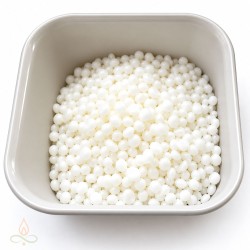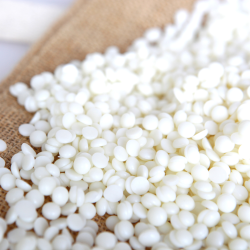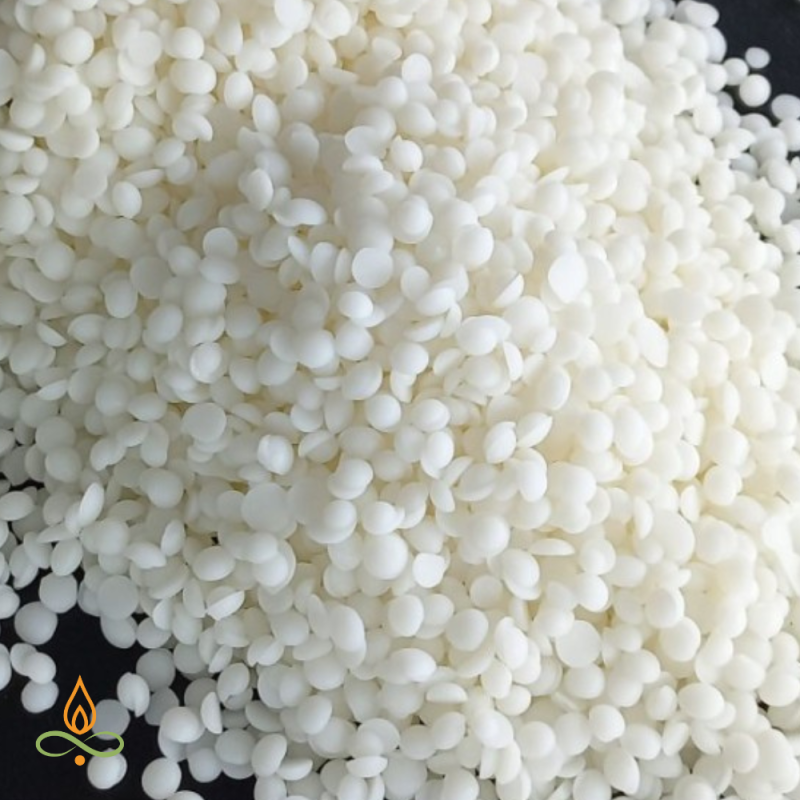


This container candle wax is a premium-quality plant-based product made from soy. It provides clean, even burning, excellent scent throw even at low temperatures, and creates a smooth, aesthetic surface without cracks or bubbles. Thanks to its low melting point, it is easy to work with and suitable for detailed shapes and fine finishes.
Unlike paraffin or palm waxes, this wax contains no petroleum products or harsh additives. It is fully biodegradable and made from renewable resources, improving the final product’s quality while reducing environmental impact.
Benefits:
Composition and Safety:
This wax is a reliable choice for both professionals and hobby candle makers who value quality, natural origin, and eco-conscious production.
Wick:
Choose an appropriate wick based on the size and shape of your container. Natural waxes typically require a larger wick than paraffin waxes. A wick that is too large can cause excessive soot and rapid burning, while a wick that is too small may lead to tunneling and incomplete combustion. It is recommended to conduct testing before starting candle production.
Container Preparation:
Ensure that containers are clean and free of any contaminants. The container temperature should be at least room temperature, but preheating to approximately 45–50°C can improve adhesion.
Wax Melting:
Weigh the required amount of wax. Heat the wax to 70–75°C to fully melt it. Higher temperatures (up to 90°C) do not damage the wax if it is cooled quickly, but prolonged heating above 85°C may cause discoloration. Do not exceed the recommended temperatures and always stir the wax to ensure even heating.
Adding Dye:
If using powdered dye, add it when the wax is heated to approximately 75°C and stir thoroughly until fully dissolved. Dyes can also be dissolved in fragrance oil before adding to the wax. Liquid dyes and color blocks can be added when the wax is approximately 70°C.
Adding Fragrance:
EcoShea wax can hold up to 10–12% fragrance. It is recommended to use fragrances specifically designed for natural waxes, as some paraffin-based fragrances may react poorly, causing spotting, weak flames, or poor scent throw. Add fragrance just before pouring and stir thoroughly.
Wax Pouring:
The pouring temperature may vary depending on the container type, size, and added ingredients. Generally, it is recommended to pour at 45–55°C. If better adhesion to the container is desired, experiment with temperature adjustments of 5–10°C up or down. In some cases, a second pour may be needed to smooth the surface.
Cooling and Curing:
Allow candles to cool slowly and undisturbed at room temperature (approximately 25°C). Avoid exposing candles to direct cold or heat sources, as this can affect the final result. Once solidified, let the candles cure for at least 48 hours before testing or using.
Testing and Adjustments:
After curing, perform a test burn. Check the flame quality, melt pool diameter, and wick behavior. If issues arise, such as tunneling, weak flames, or excessive soot, try adjusting the wick size or other variables.

Data sheet
This container candle wax is a premium-quality plant-based product made from soy. It provides clean, even burning, excellent scent throw even at low temperatures, and creates a smooth, aesthetic surface without cracks or bubbles. Thanks to its low melting point, it is easy to work with and suitable for detailed shapes and fine finishes.
Unlike paraffin or palm waxes, this wax contains no petroleum products or harsh additives. It is fully biodegradable and made from renewable resources, improving the final product’s quality while reducing environmental impact.
Benefits:
Composition and Safety:
This wax is a reliable choice for both professionals and hobby candle makers who value quality, natural origin, and eco-conscious production.