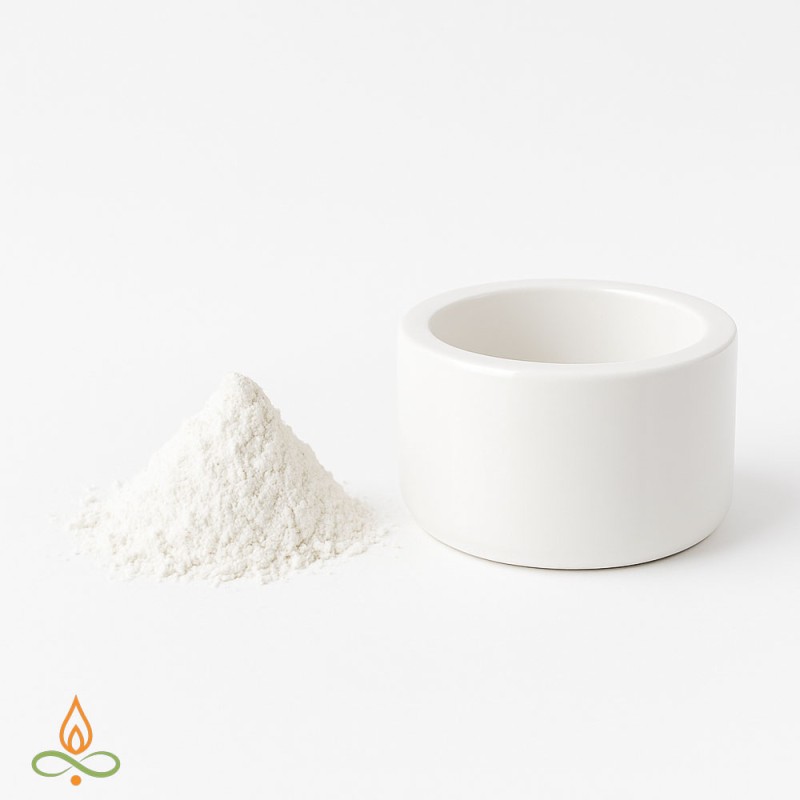


Highly durable castings with a smooth, matte surface can be achieved in a short time. The plaster is air-hardening, odorless and environmentally friendly, made from natural calcium sulfate, suitable for indoor use. It is ideal for professional and creative projects at home – for crafts, decorative objects, sculptures, ceramics and mold casting.
After hardening, the items can be sanded, painted, varnished, scented or covered with foil. It is flame-resistant and releases easily from plastic, silicone, latex and synthetic rubber molds.
Compressive strength: up to 150 MPa
Ratio: 1 part water to 4 parts plaster
The plaster color may vary slightly — from white to light beige — depending on the batch. This is a natural characteristic of the material. To achieve a whiter result, we recommend adding titanium dioxide or a white pigment to the mixture. See proportions below in description.
Use:
Items cast out of gypsum absorb water and are therefore not suitable for constant water exposure, e.g. as flower vases or bird watering holes. A clear varnish (varnish spray, matt varnish or food-safe varnish) provides effective surface protection and makes it water-repellent. However, 100% waterproofing cannot be guaranteed, as these varnishes are applied by hand and cannot be baked in oven.
Processing temperature:
Cold powder or cold water extends the processing and curing time. This could impede the curing process, resulting possibly in a lower final strength. In order to avoid this, we recommend leaving the cold powder to stand overnight at ambient temperature (20°C). The optimum processing temperature for powder and water is between 18°C and 25°C.
Mixing procedure and casting:
1 part of water to 4 parts of gypsum.
Air bubbles may occur when stirring gypsum. To minimise their formation, we recommend pouring the ready-to-cast gypsum slowly into the mould (e.g. over the concave side of the spoon) so that from the outset only a light layer free of air bubbles emerges on the surface. The rest of gypsum can then be quickly poured in. After pouring in, tap gently on the mould to dislodge any air bubbles.
Please allow the casting compound to dry thoroyghly in the mould and also allow the cast object to harden fully in open air after demoulding. If the demoulded items remain slightly wet, they can discolour.
Tips for a neat finish of gypsum
Plaster whiteness
The plaster color may vary slightly — from white to light beige — depending on the batch. This is a natural characteristic of the material.
To achieve a whiter result, we recommend adding titanium dioxide or a white pigment to the mixture. Titanium dioxide is more effective and provides a clean, even white finish.
Recommended amounts:
Titanium dioxide:
White pigment:
Data sheet
You might also like
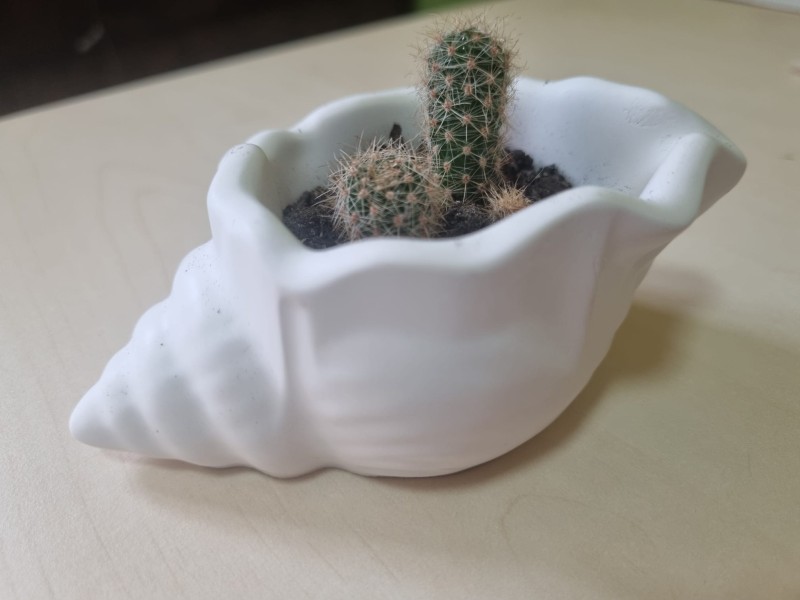
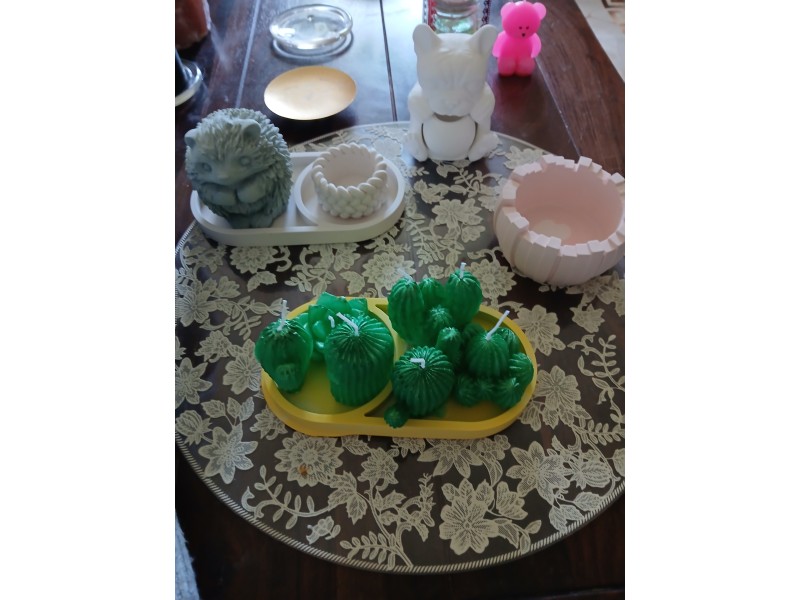
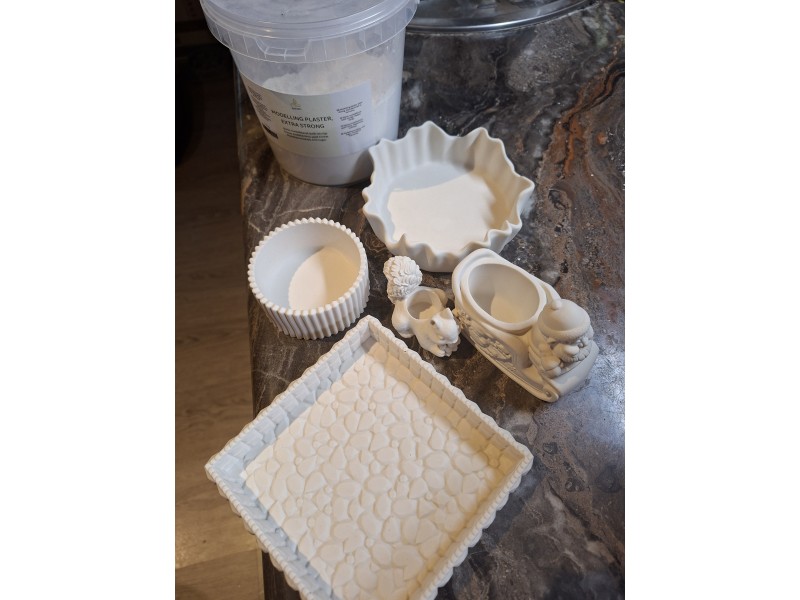
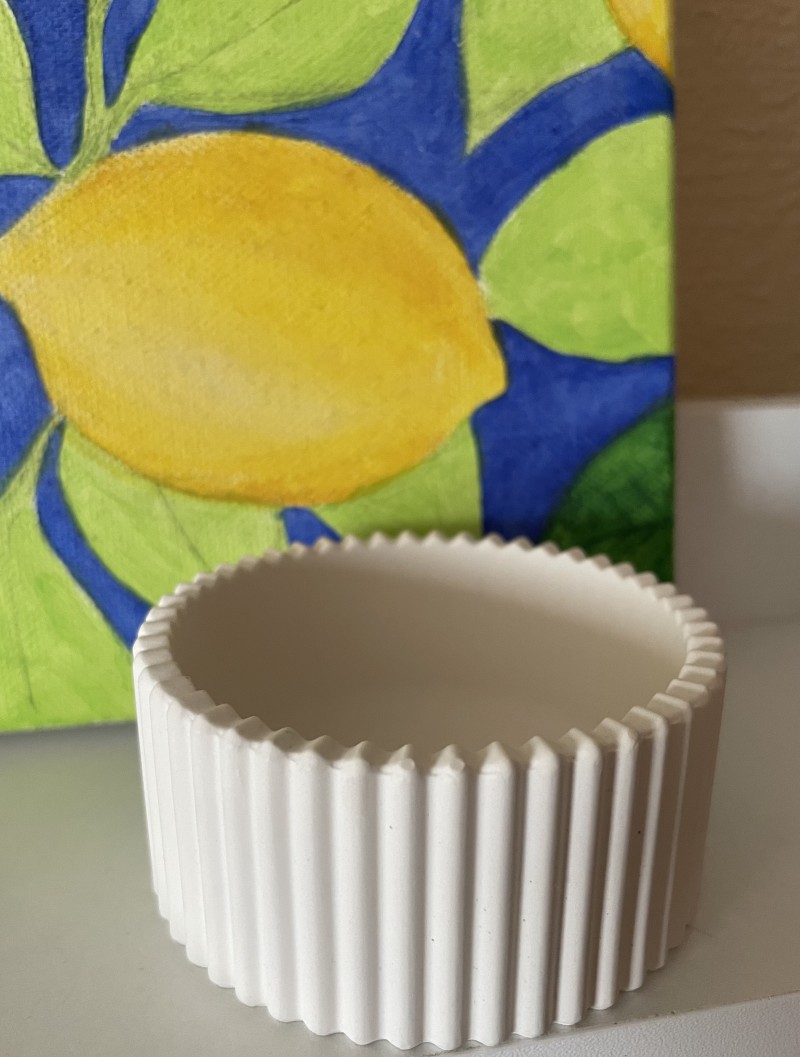
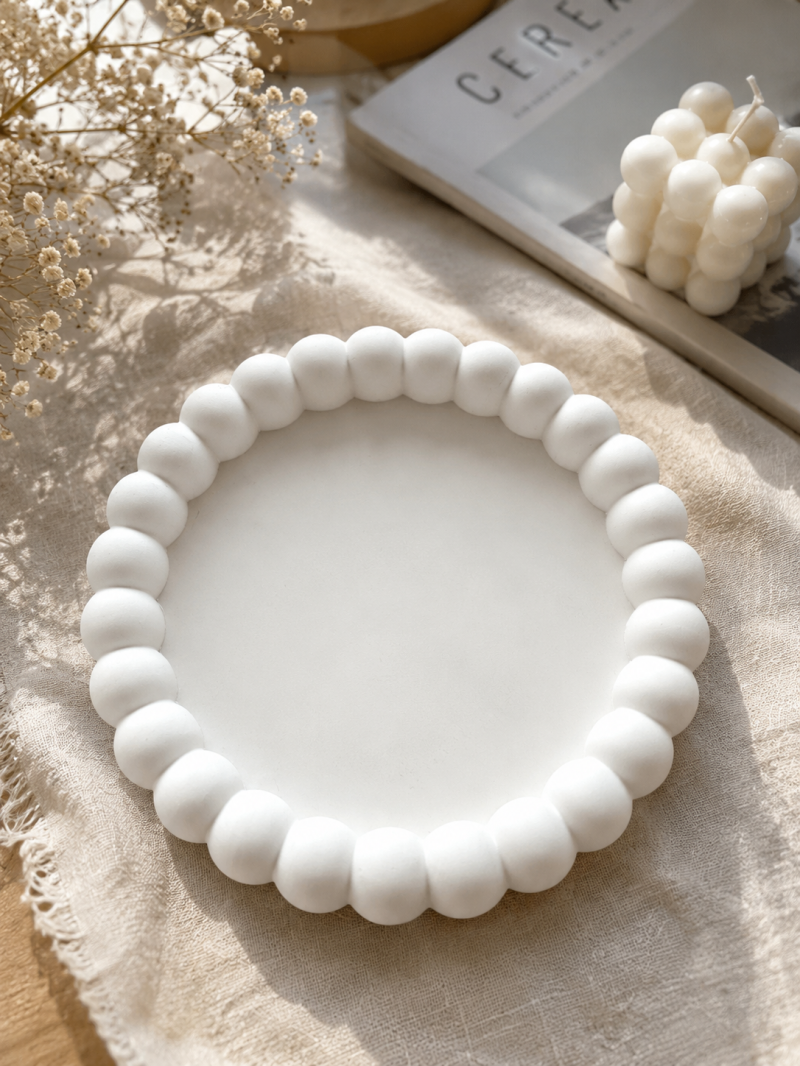
Highly durable castings with a smooth, matte surface can be achieved in a short time. The plaster is air-hardening, odorless and environmentally friendly, made from natural calcium sulfate, suitable for indoor use. It is ideal for professional and creative projects at home – for crafts, decorative objects, sculptures, ceramics and mold casting.
After hardening, the items can be sanded, painted, varnished, scented or covered with foil. It is flame-resistant and releases easily from plastic, silicone, latex and synthetic rubber molds.
Compressive strength: up to 150 MPa
Ratio: 1 part water to 4 parts plaster
The plaster color may vary slightly — from white to light beige — depending on the batch. This is a natural characteristic of the material. To achieve a whiter result, we recommend adding titanium dioxide or a white pigment to the mixture. See proportions below in description.
Use: